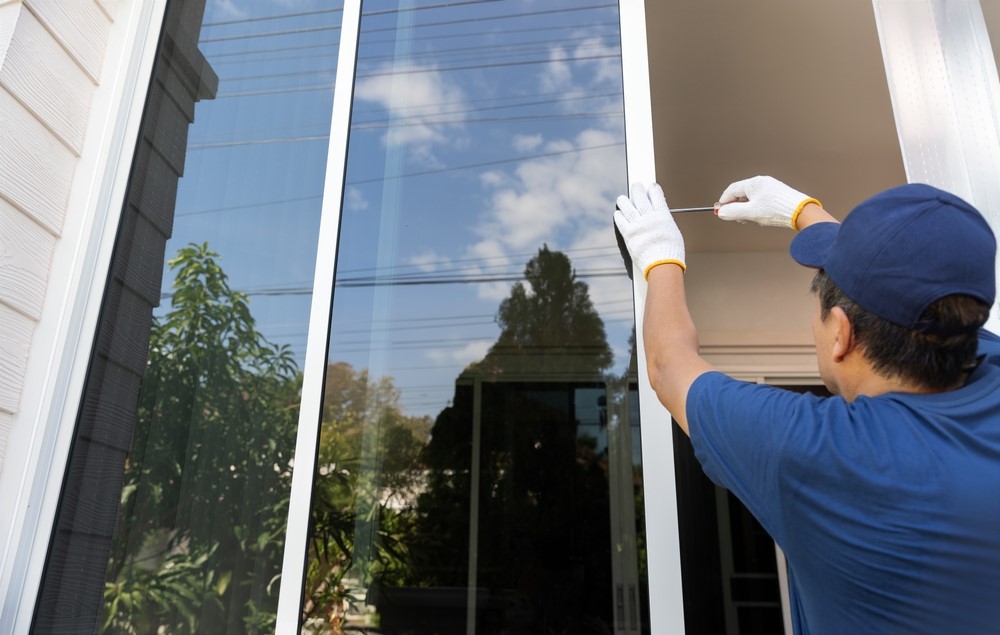
Are you wondering how long a window replacement takes? Typically, the process can take anywhere from a few weeks to two months to complete depending on the specifics of the project.
Read More
Are you curious how much energy-efficient windows save? According to ENERGY STAR, upgrading from single-pane windows to energy-efficient windows can save you up to 13% on your annual HVAC costs.
Read More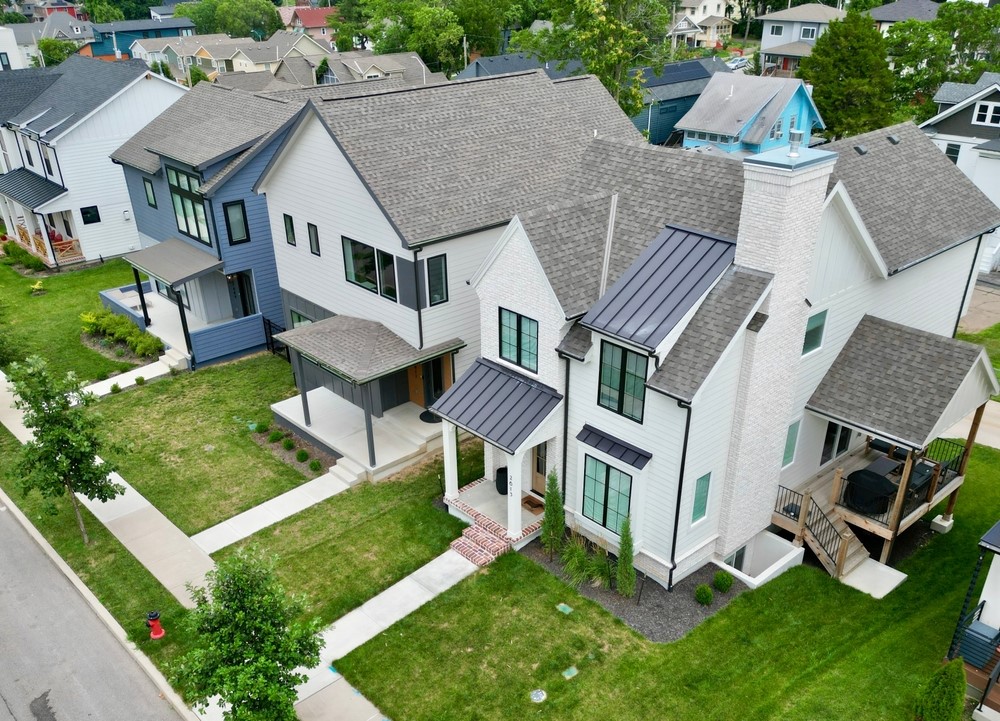
Are you worried about another summer of high energy bills while trying to keep your home cool? The long-term solution could be as simple as a window replacement in Kansas City.
Read More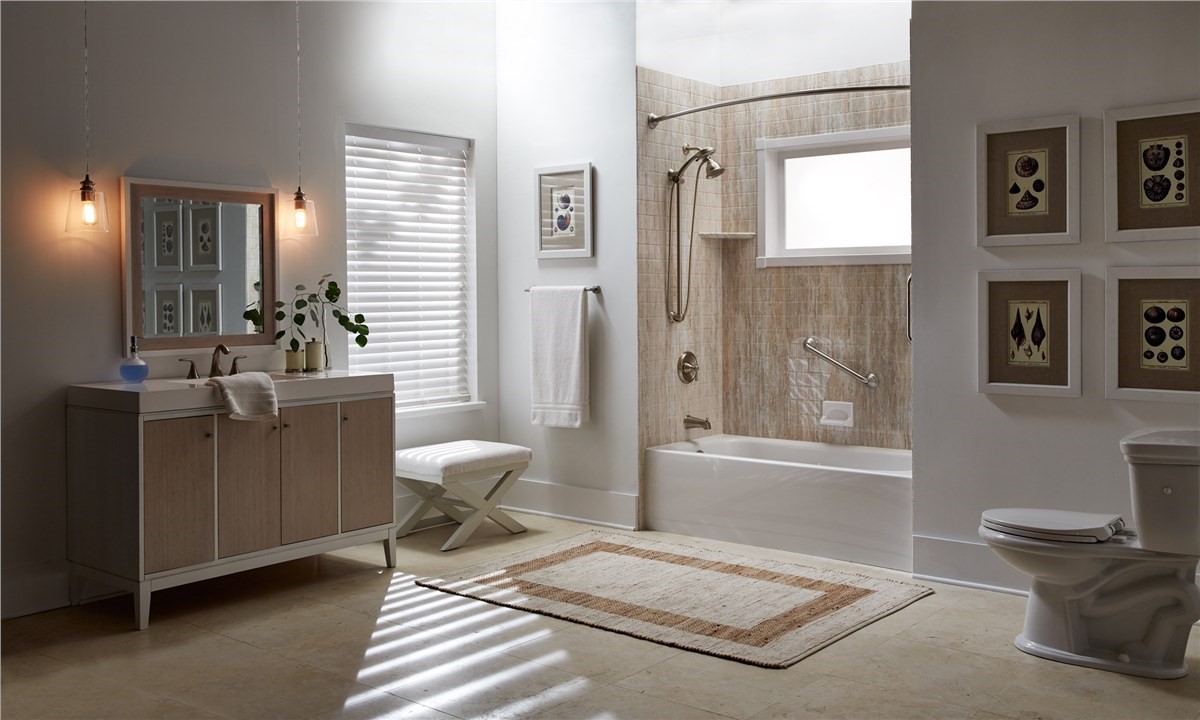
You can’t go wrong choosing a KOHLER shower for your bathroom. With an array of amazing benefits and premium shower kits designed to make installation seamless and hassle-free, it is no wonder that KOHLER is one of the most respected brands in the industry.
Read More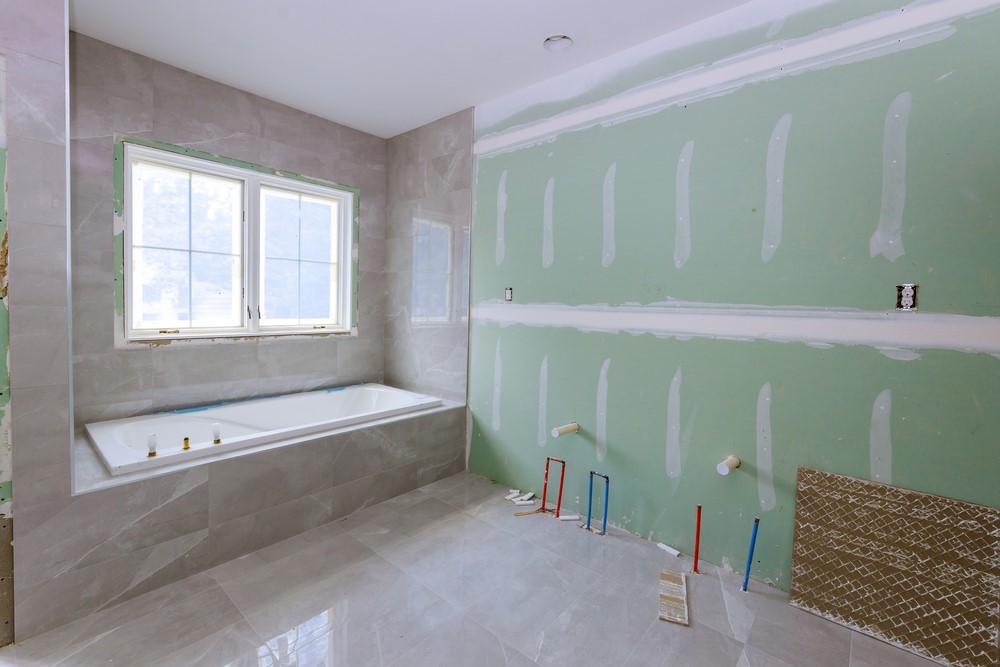
If you're on the hunt for a Kansas City shower replacement that will look and perform exceptionally well for years to come, you may want to consider what products are known for reliability, and which can't offer the types of advantages you want and deserve.
Read More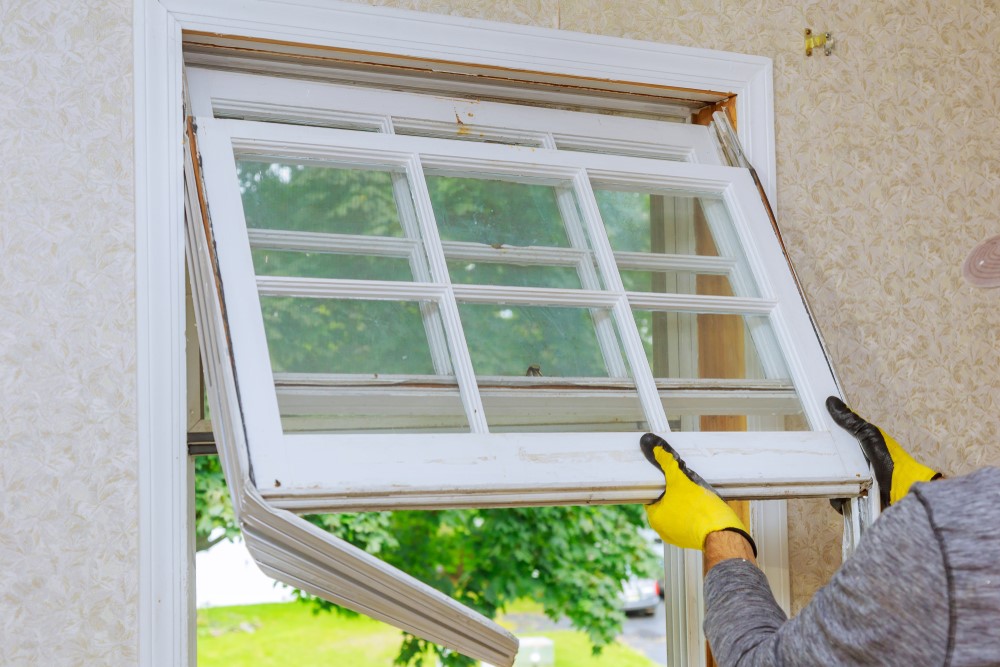
A Kansas City window installation is a significant investment in your home, so homeowners want to find ways to extend the life of their windows. Choosing quality windows is important, but even the best windows won’t last forever.
Read More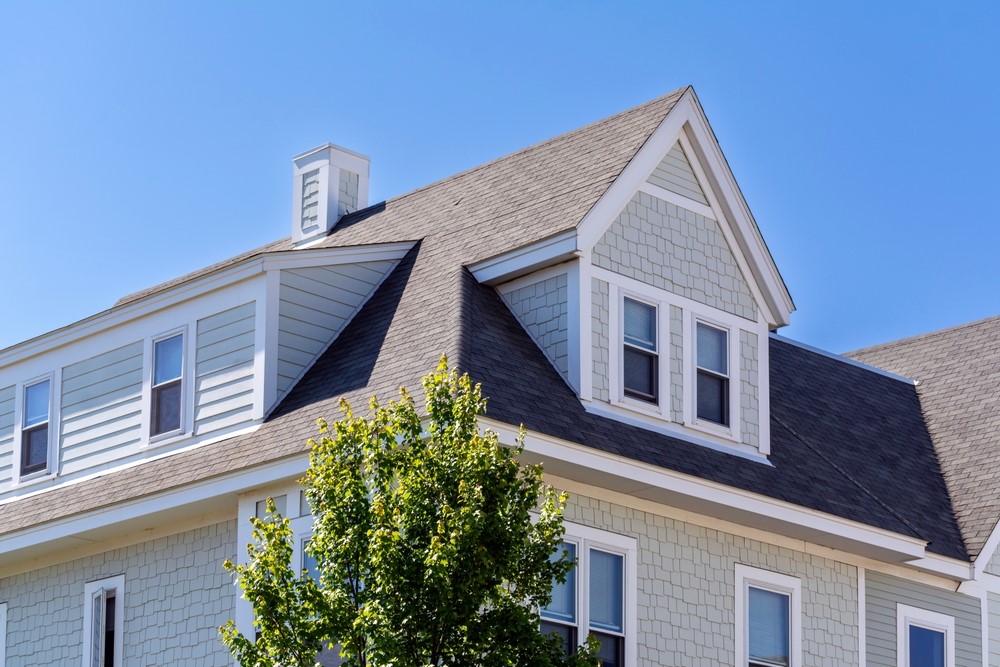
Have you been considering investing in new windows for your home? If so, understanding window sizes and selecting standard-sized options will help ensure that your project is easy, stress-free, and cost-effective. Below is everything that you need to know about standard window sizes.
Read More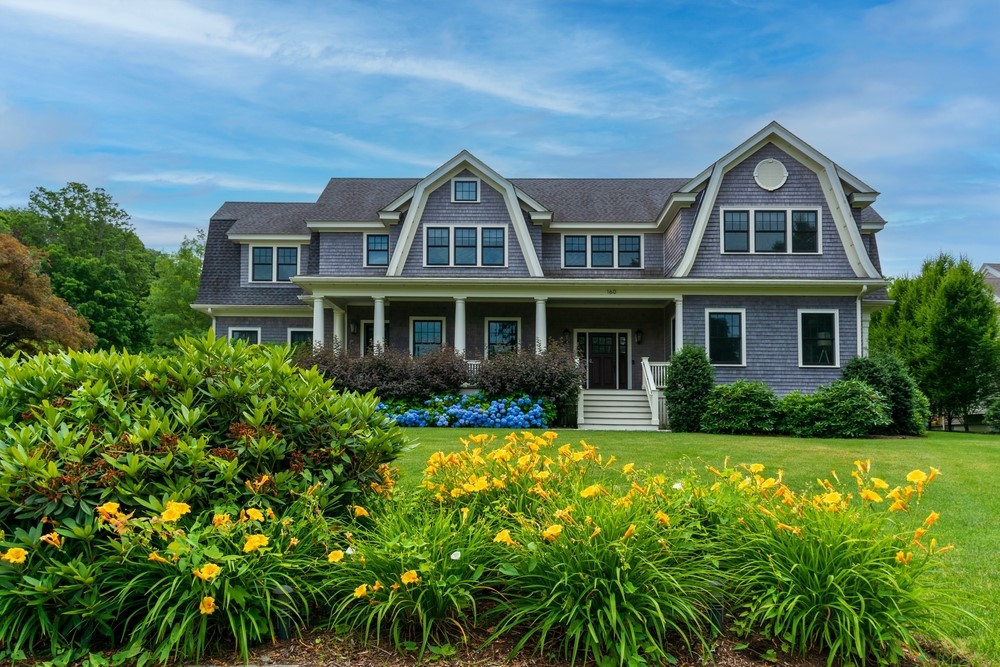
When it comes to your Kansas City window replacement, it's important to weigh the pros and cons of every window type. While some windows may be great for your kitchen or living room, others may work better for your bedroom or bathroom.
Read More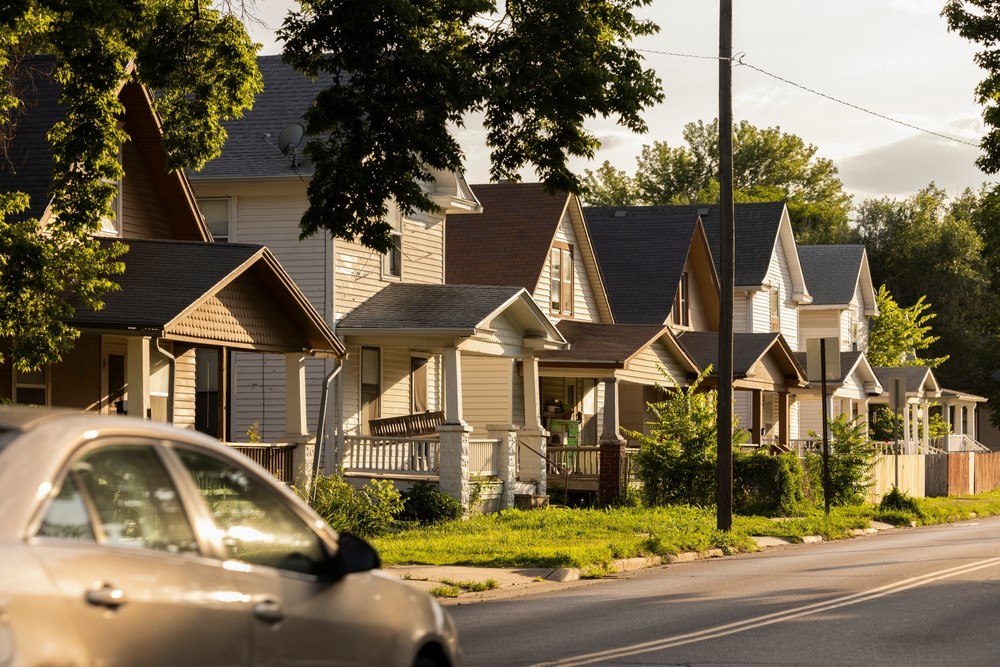
Are you considering new windows for your home in Kansas City? If so, you’ll want to know as much as you can about the benefits of getting new windows. While there are several, here are some of the most common.
Read More
If you've been wondering what window types to choose for your home, then you're in the right place. If you drive down any residential street, it's easy to tell what decade a home was built by its windows.
Read MoreSubscribe to Alenco Inc's Blog
 Financing on products & service
 We back our durable products with our limited lifetime warranty.


